Authored by SK&A Principal Justin Long, PE, RBEC, BECxP. Follow Justin on Linked In.
Why waterproofing, flashing, and field verification matter in multifamily construction.
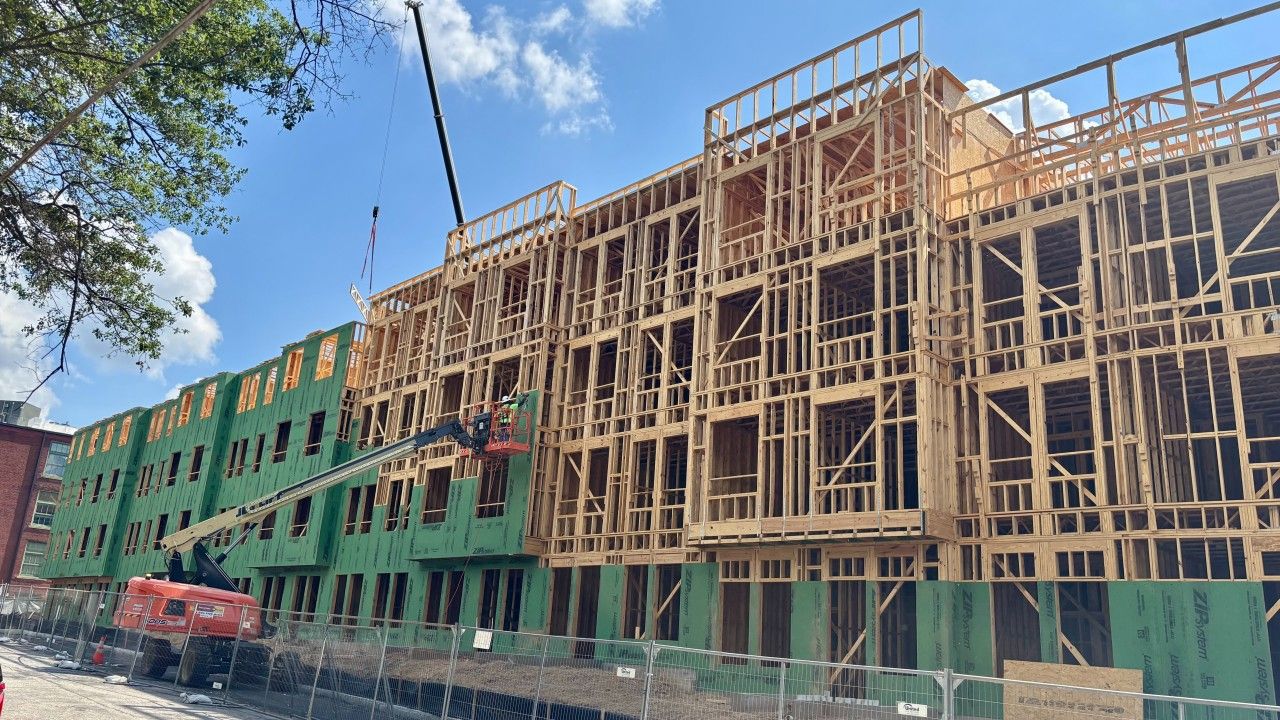
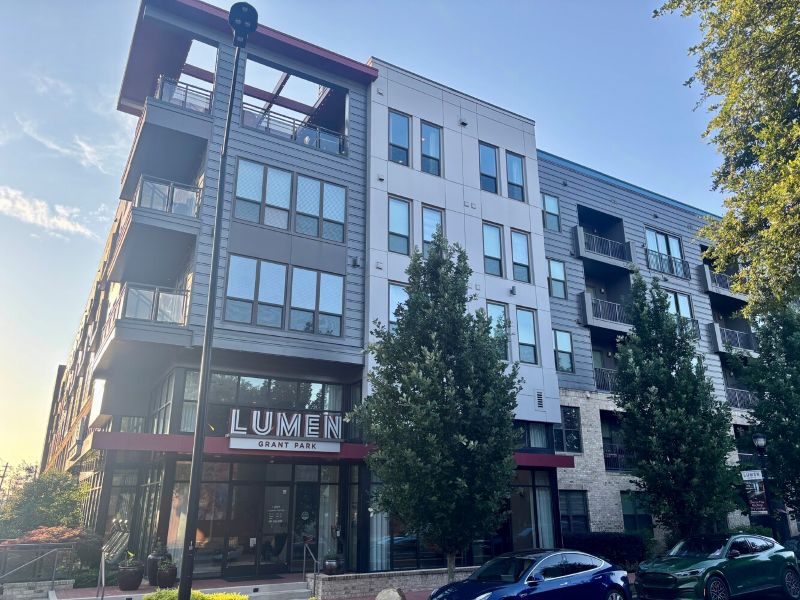
Atlanta continues to be one of the most active multifamily construction markets in the country. Across the metro area, developers are delivering thousands of apartment units annually, with a significant percentage utilizing Type III and Type V wood-framed construction due to speed, efficiency, and cost advantages. As this construction type continues to dominate the market, one recurring issue continues to emerge during occupancy: water intrusion and concealed deterioration at wood-framed balconies.
This is not a theoretical issue. It is something we are actively seeing throughout the Atlanta market. On a current property we are evaluating, active water intrusion is occurring below exterior balconies where improper flashing and waterproofing transitions were identified at:
- Exterior door thresholds
- Wall-to-balcony interfaces
- Perimeter waterproofing
The resulting leakage has led to concerns regarding concealed moisture damage and potential deterioration of the wood framing below. Unfortunately, this type of failure is extremely common – and in many cases, it remains hidden for years before symptoms appear inside occupied units.
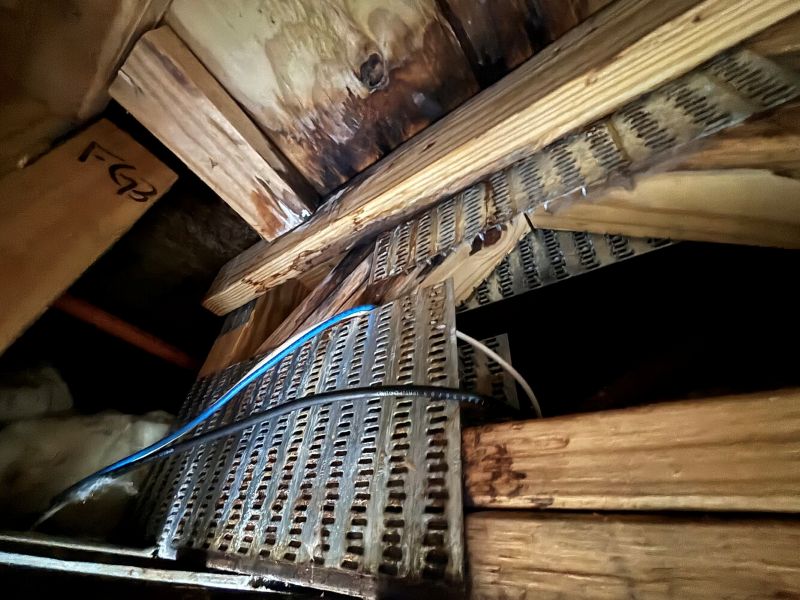
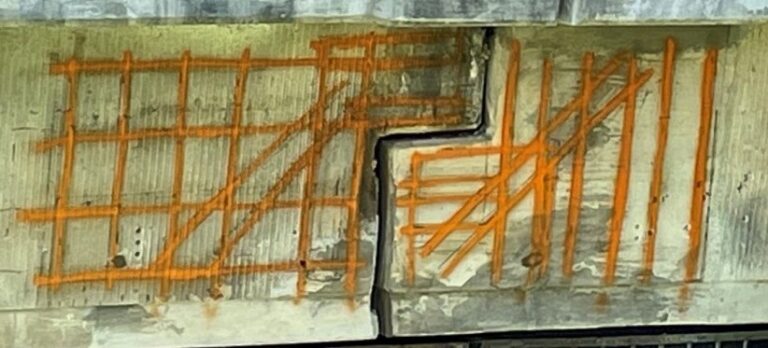
View of Water-Damaged Floor Sheathing & Engineered Trusses Due to Active Water Intrusion from Exterior Walls & Threshold Areas Above
Why Wood-Framed Balconies Are So Vulnerable
Wood-framed balconies represent one of the most complicated interface conditions on a multifamily building enclosure. They combine:
- Horizontal waterproofing surfaces
- Exterior wall flashing systems
- Door threshold transitions
- Penetrations and railing attachments
- Multiple trades working sequentially
- Exposure to direct weathering
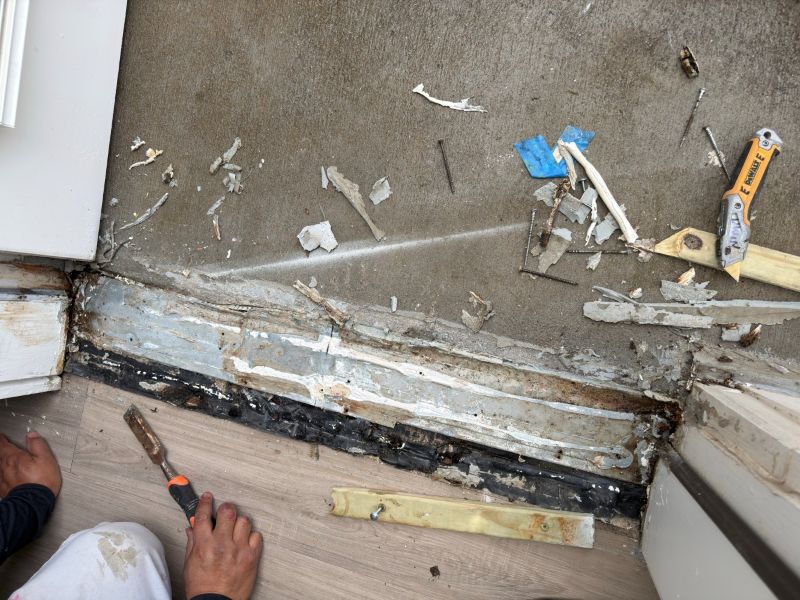
View of Improper Threshold Flashing & Waterproofing Installation Observed During Investigation
Unlike vertical wall systems, balconies are constantly subjected to standing water, ponding risks, and concentrated moisture exposure. And unlike concrete structures, wood-framed assemblies are far less forgiving when moisture intrusion occurs repeatedly over time.
Once water bypasses the perimeter flashings and primary waterproofing layer, deterioration can begin quietly within:
- Sheathing
- Rim boards
- Floor framing
- Fasteners and connectors
- Other load-bearing structural framing members
By the time water staining appears on the interior ceiling below, the damage is often already significant.
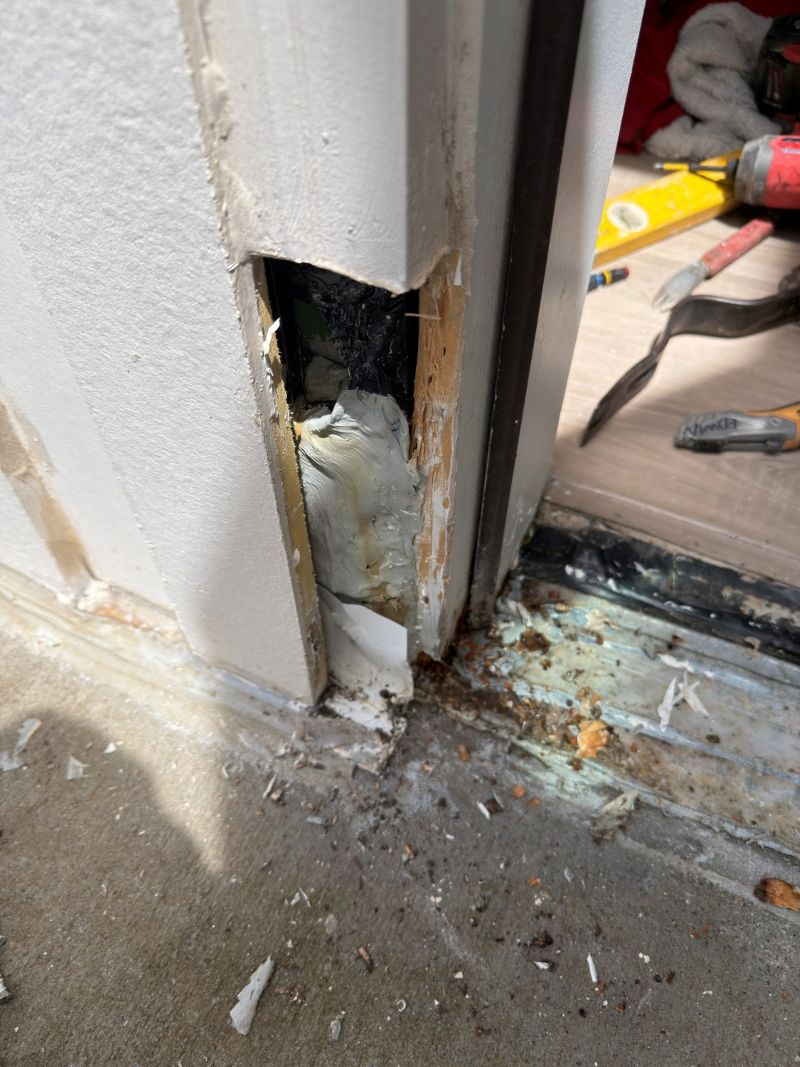
View of Improper Flashing Installation at Exterior Wall & Door Jamb
Why These Failures Are So Costly
Once concealed deterioration develops within wood-framed balcony assemblies, repairs become extremely invasive and expensive. Typical repair scopes can involve:
- Destructive investigation
- Temporary shoring
- Removal of finishes and cladding
- Framing replacement
- Connector replacement
- Occupant disruption
- Litigation and insurance claims
These repairs often occur only a few years after construction completion. What began as a relatively small waterproofing detail can ultimately evolve into a major structural and operational issue.
The Importance of QA/QC and Field Verification
Even well-designed details can fail if they are not properly executed in the field. This is why regular building enclosure observations during construction are so important:
- Mockup reviews
- Pre-installation meetings
- Shop drawing reviews
- Field QA/QC inspections
- Functional testing
These efforts help identify issues before overburden and finishes conceal critical waterproofing transitions.
In our experience, the projects that perform best long-term are not necessarily the ones with the most expensive or perfectly designed systems – they are the projects where detailing, sequencing, and quality control were prioritized throughout construction.
Final Thoughts
Atlanta’s multifamily market will continue to rely heavily on wood-framed construction for the foreseeable future. That makes durable balcony waterproofing and enclosure detailing increasingly important for developers, architects, contractors, and ownership groups alike.
Waterproofing should never be viewed as a standalone product. It is a coordinated system that depends on:
- Design
- Sequencing
- Installation quality
- Inspection
- Long-term maintenance
Small failures at balcony interfaces can create disproportionately large consequences over time. And in many cases, those consequences remain hidden until the building is already occupied.
This insight was originally published by Justin Long, PE, RBEC, BECxP, on Linked In. View the original post and add your own comments.