Integrating Structural Design with Passive House Enclosure Requirements
AIA Course No. SKA0204 | 1 LU|HSW
Passive House design places stringent performance requirements on building energy use, airtightness, thermal continuity, and indoor environmental quality. Achieving these goals requires close coordination among architectural, structural, and building enclosure disciplines, as well as careful consideration of how high-performance envelope detailing interacts with gravity and lateral load paths.
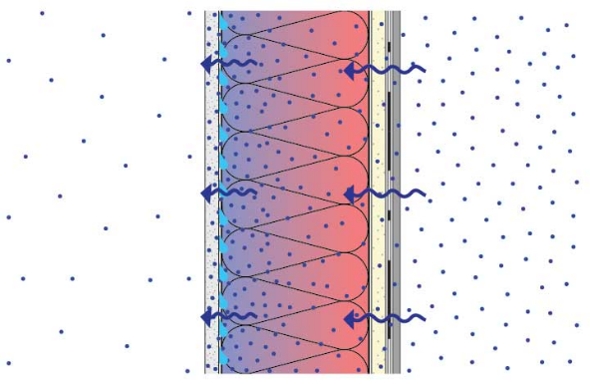
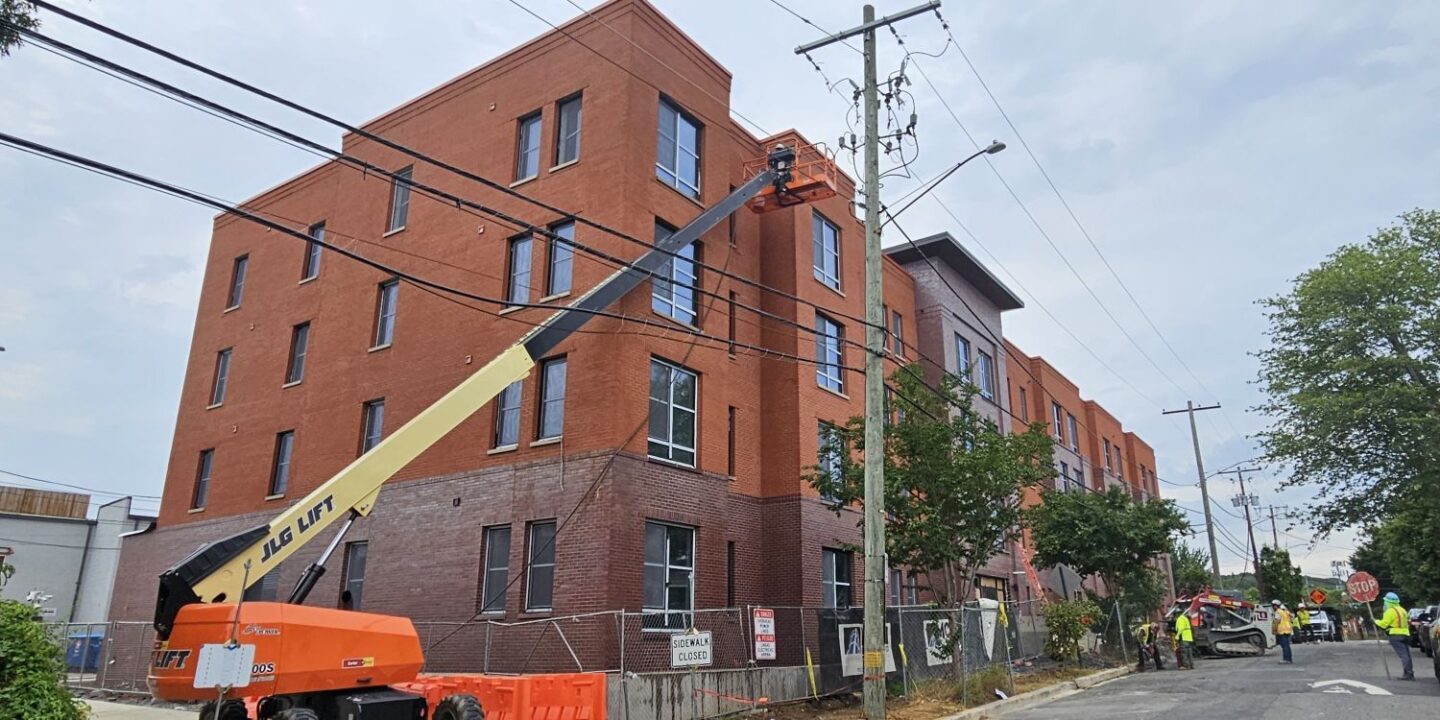
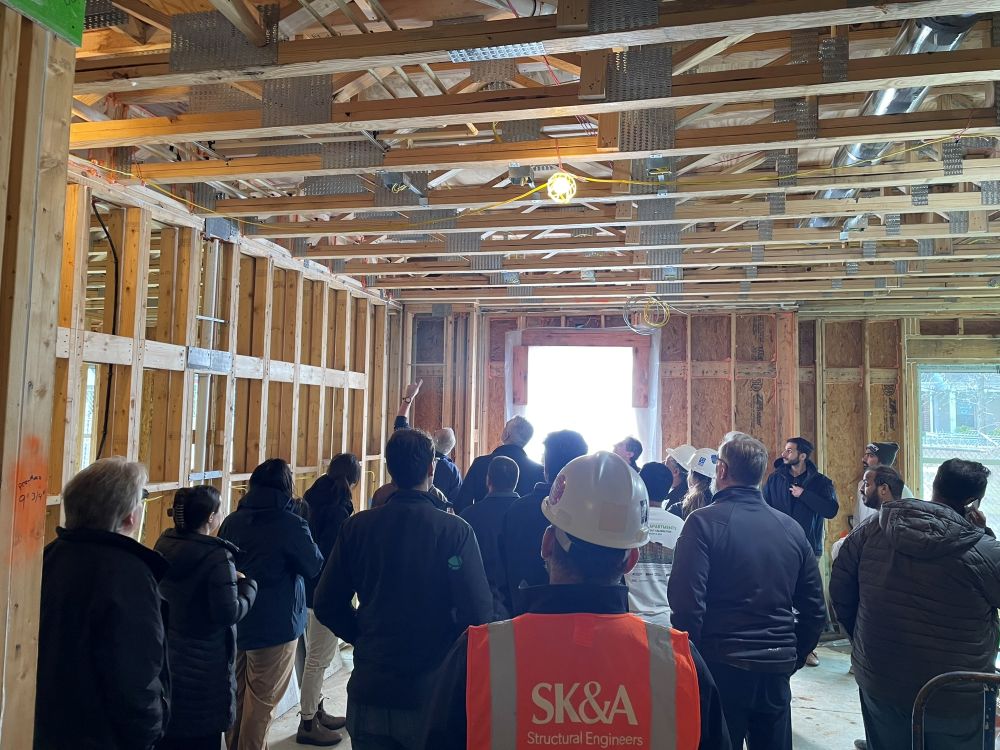
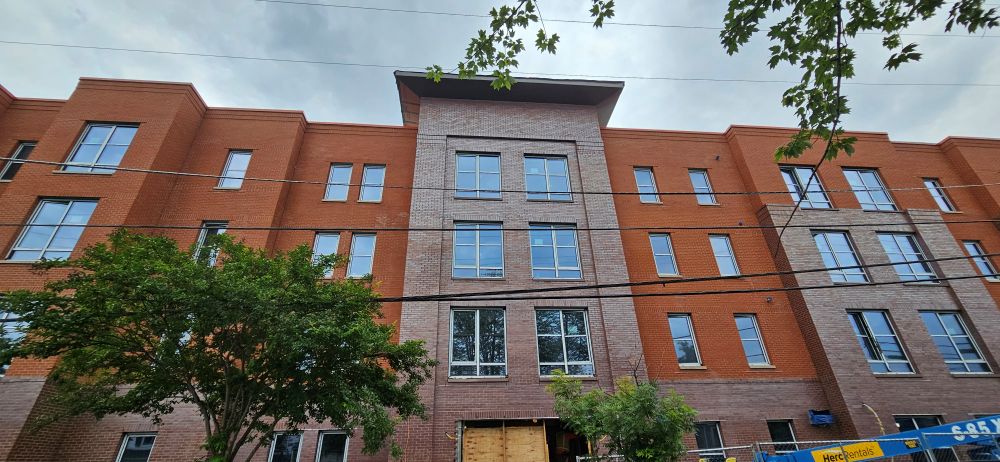
This program examines Passive House design principles through the lens of structural engineering and building enclosure coordination, using a multifamily residential project pursuing PHIUS certification as a case study. The presentation reviews key Passive House concepts—including continuous insulation, airtight construction, thermal bridge elimination, and high-performance mechanical systems—and discusses how these principles influence architectural detailing, structural design assumptions, and constructability.
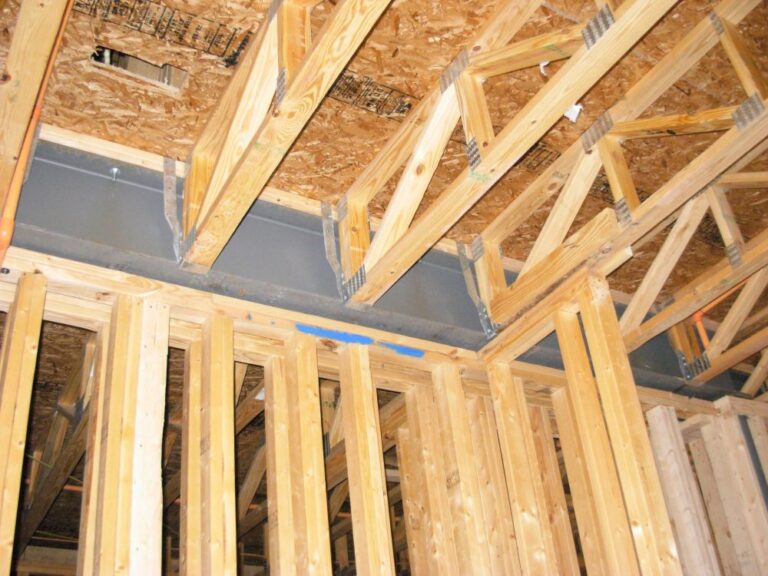
Particular emphasis is placed on foundation and superstructure detailing where traditional structural solutions can create thermal bridges or compromise enclosure performance. The program explores alternative detailing strategies at slabs, foundations, relieving angles, balconies, and roof interfaces, highlighting the need to modify conventional “boilerplate” details while preserving structural load paths and code compliance. Lessons learned from construction administration are also presented, including coordination with contractors, evaluation of product substitutions, and verification of installation quality.
By integrating Passive House performance goals with structural and enclosure design considerations, this program provides design professionals with practical insights into reducing energy use, improving durability, and supporting occupant health and comfort in high-performance buildings.
Learning Objectives
- Describe key Passive House design principles and explain how they influence building enclosure performance, energy efficiency, and occupant comfort.
- Identify common sources of thermal bridging in conventional structural detailing and describe alternative strategies used to mitigate these conditions in Passive House projects.
- Analyze how structural detailing and design assumptions must be adapted to accommodate continuous insulation, airtightness, and PHIUS certification requirements while maintaining code-compliant load paths.
- Evaluate coordination and construction-phase considerations associated with Passive House projects, including detailing review, product selection, and interdisciplinary collaboration to reduce risk and improve long-term durability.