Structural and Moisture Considerations in Wood-Framed Multifamily Buildings
AIA Course No. SKA0206 | 1 LU|HSW
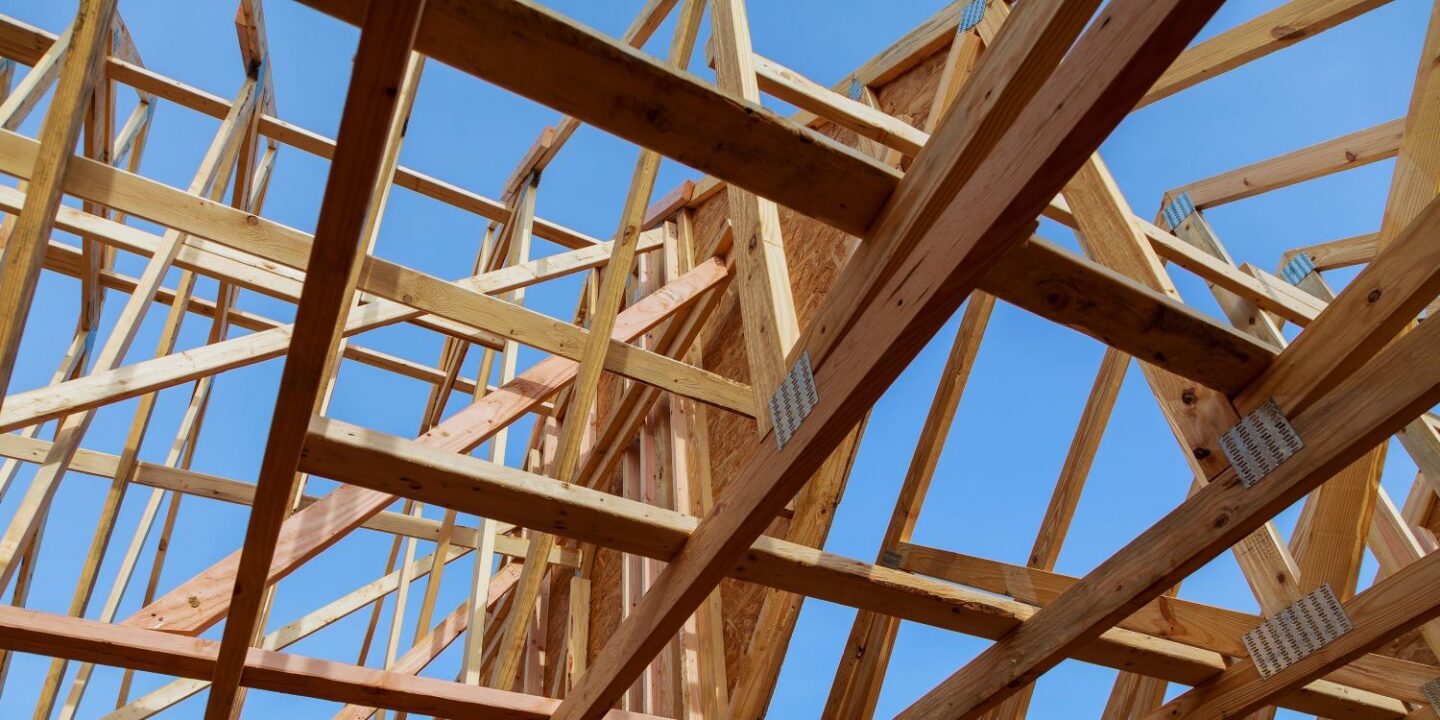
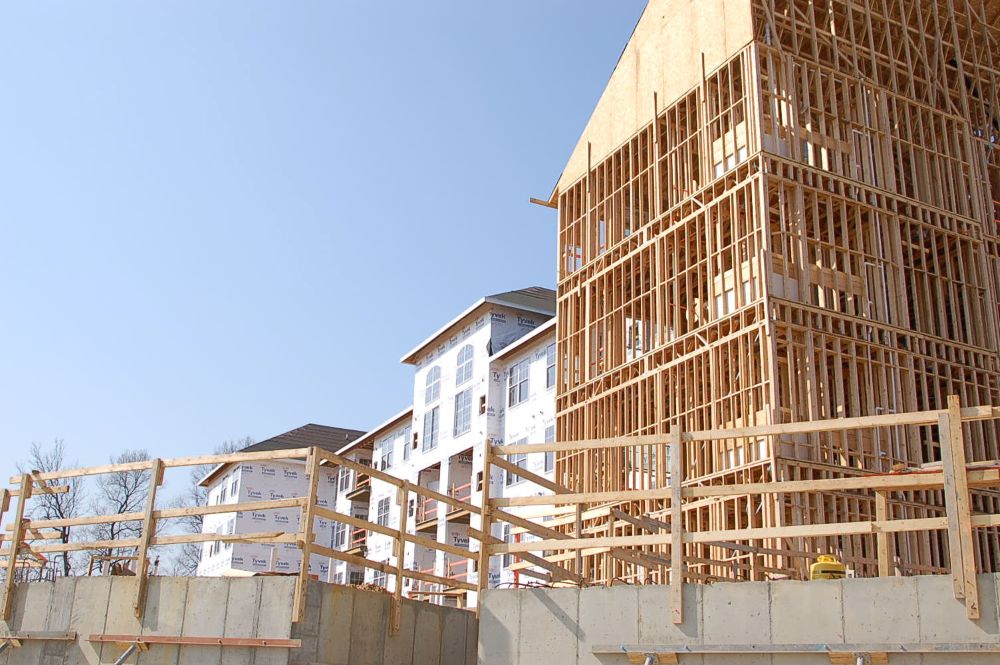
Wood-framed multifamily construction – most commonly Type III and Type V – has become a prevalent building typology due to its cost efficiency, constructability, and ability to meet increasing housing demand. However, these systems are particularly susceptible to moisture exposure, construction sequencing, and detailing errors that can lead to significant structural, enclosure, and life-safety issues if not properly designed, constructed, and maintained.
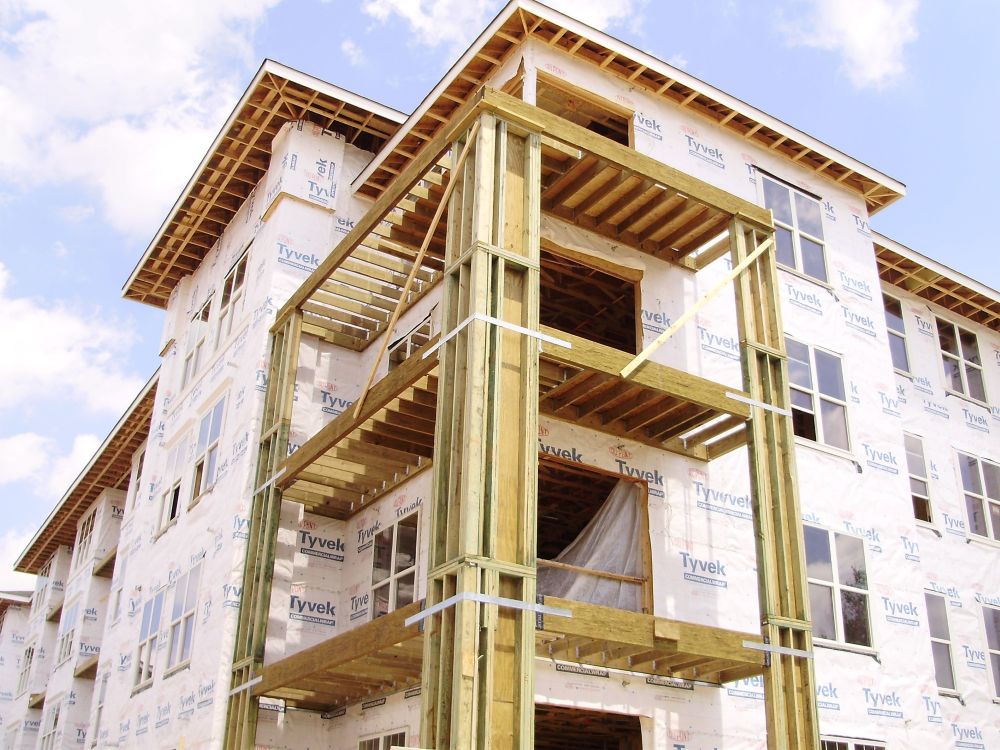
This program provides property managers and owners with a practical overview of Type III and Type V wood-framed multifamily construction, focusing on common issues property managers and owners are likely to encounter in both new construction and aging buildings. The presentation examines how building code provisions, fire-resistance requirements, and enclosure detailing influence structural performance, particularly at roofs, exterior walls, balconies, and other moisture-vulnerable interfaces.
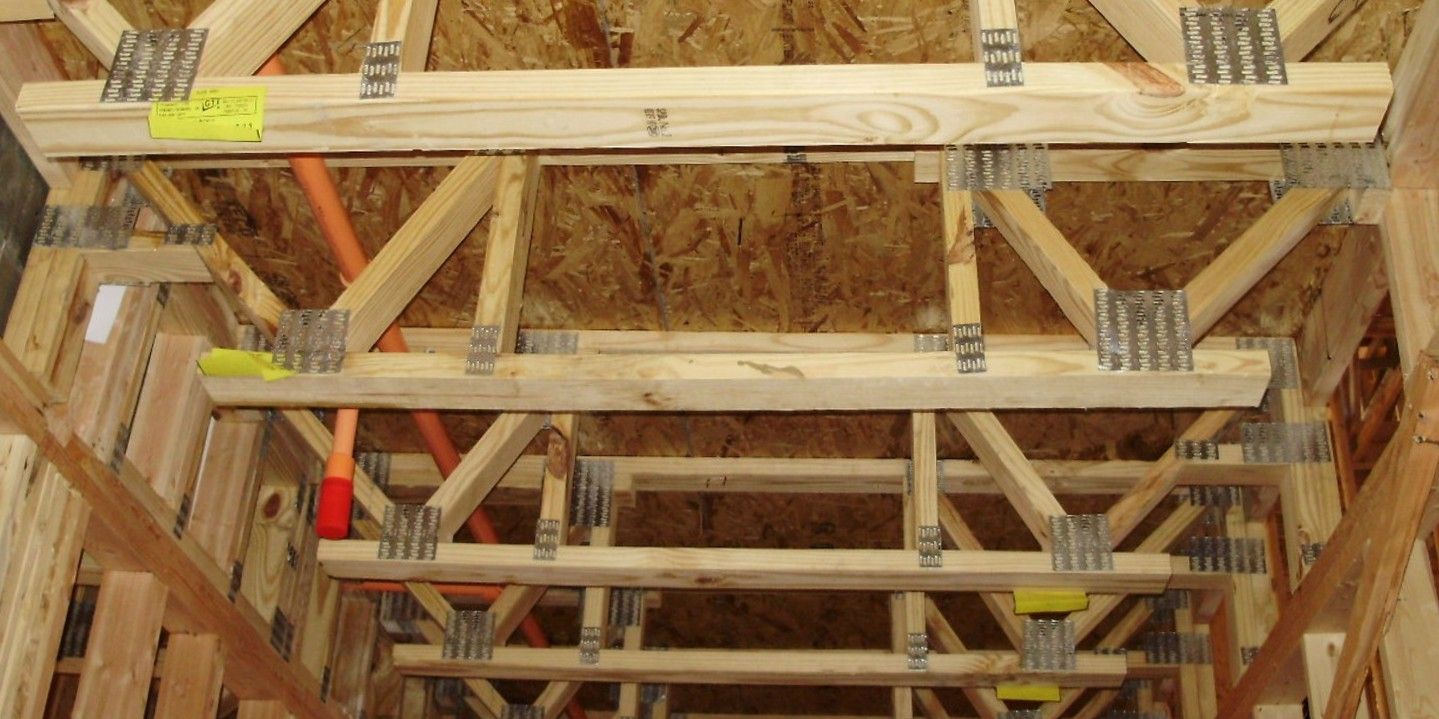
Through real-world examples, the program explores typical moisture-related deterioration mechanisms affecting wood framing, including roof and wall condensation, flashing and water-resistive barrier failures, grade-related exposure, and concealed moisture accumulation. The discussion further addresses frequent structural issues and construction defects such as damaged or improperly installed trusses, missing connectors, inadequate load paths, shrinkage effects, and over-deflection of floor systems.
The program also highlights critical considerations during renovation and repair of wood-framed buildings, including the structural implications of removing finishes, sheathing, and fire-rated assemblies. Emphasis is placed on early detection and informed decision-making to mitigate risk, protect occupant safety, and extend the service life of wood-framed multifamily buildings.
Learning Objectives
- Differentiate between Type III and Type V wood-framed construction and explain how code requirements influence building height, fire resistance, and structural configuration in multifamily projects.
- Identify common moisture-related failure mechanisms and identify early warning signs of moisture intrusion in wood-framed multifamily buildings, including common locations where damage is typically observed and understand how prolonged moisture exposure can lead to structural deterioration.
- Recognize visible indicators of structural distress – such as cracking, sagging floors, sticking doors/windows, and unusual deflections – and understand when these conditions warrant calling for a professional structural engineering evaluation.
- Evaluate key structural and building-enclosure considerations during renovation and repair activities, including the risks associated with removing finishes, modifying assemblies, exposing concealed conditions, and knowing when discovered conditions require engineering assessment before work continues.