Non-Destructive Evaluation of Concrete: Methods for Assessment and Repair
AIA Course No. SKA0203 | 1 LU|HSW
Non-Destructive Evaluation (NDE) methods play a critical role in the condition assessment, repair planning, quality assurance, and long-term performance monitoring of reinforced concrete structures. This program provides architects and design professionals with a practical, engineering-based overview of commonly used NDE techniques and their application to diagnosing internal concrete distress and deterioration that may not be visible during standard visual inspections.
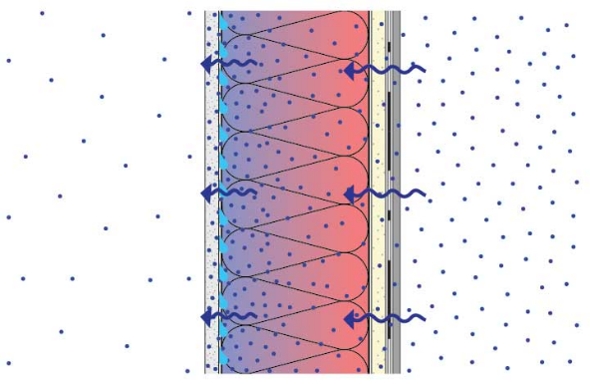
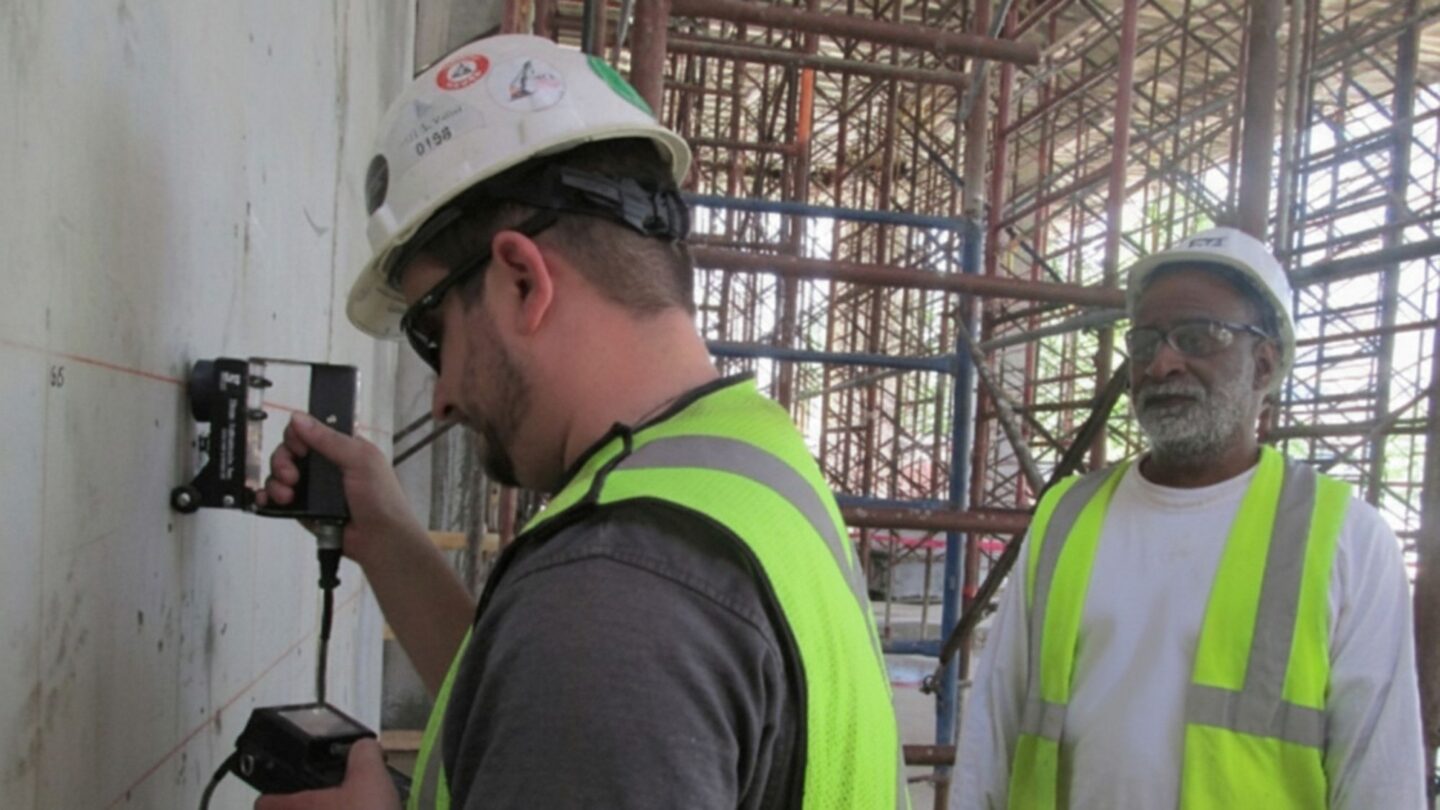
The presentation examines the underlying mechanisms of concrete deterioration—such as moisture and chloride ingress, carbonation, voids, delaminations, and reinforcing steel corrosion—and demonstrates how NDE tools can be used to characterize the extent, severity, and progression of these conditions. Participants are introduced to widely accepted NDE methods including visual assessment, ground-penetrating radar (GPR), impact-echo testing, ultrasonic pulse velocity, half-cell potential testing, and infrared thermography, with reference to applicable ASTM and ACI standards.
Emphasis is placed on the proper selection and limitations of each NDE method, the importance of correlating NDE results with selective invasive testing and laboratory analysis, and the development of a structured NDE program tailored to project objectives. The program further explores how NDE supports repair design, construction-phase quality control and assurance, and post-repair performance monitoring to reduce risk, enhance durability, and protect public safety in concrete structures.
Learning Objectives
- Explain how non-destructive evaluation methods are used to identify internal concrete distress and deterioration mechanisms that impact structural safety and durability.
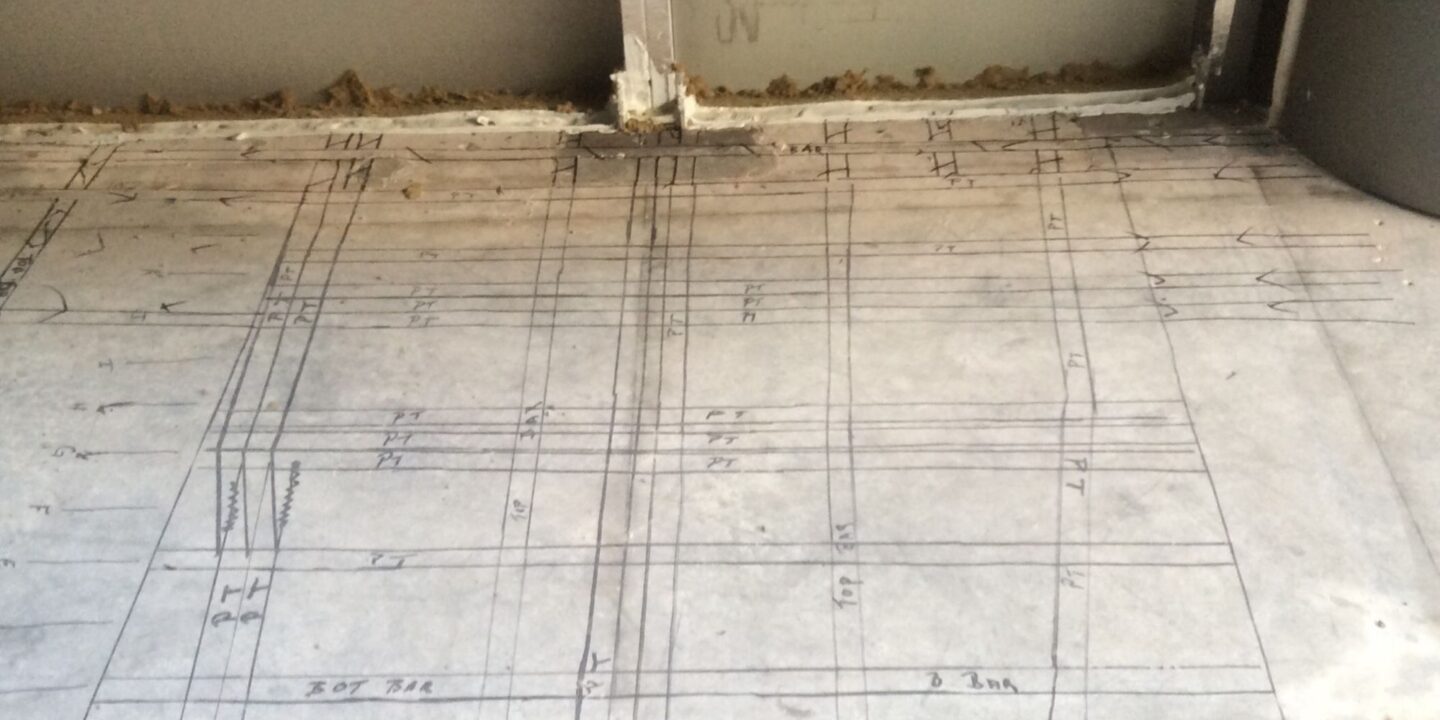
- Identify appropriate NDE methods and applicable ASTM and ACI standards for assessing specific concrete conditions such as delaminations, voids, reinforcement location, and corrosion activity.
- Describe the strengths, limitations, and proper application of common NDE techniques, including the need to correlate NDE results with selective invasive testing and laboratory analysis.
- Analyze how NDE data informs condition assessments, repair design decisions, construction quality control, and long-term performance monitoring of concrete structures.