Hygrothermal Analysis for Building Enclosures: Applying ASHRAE 160
AIA Course No. SKA0202 | 1 LU|HSW
Moisture-related failures within building enclosure assemblies continue to be a leading cause of durability issues, indoor air quality concerns, and long-term structural degradation. ASHRAE Standard 160 provides a performance-based framework for evaluating moisture control strategies through hygrothermal analysis, enabling design teams to assess risk beyond prescriptive code requirements.
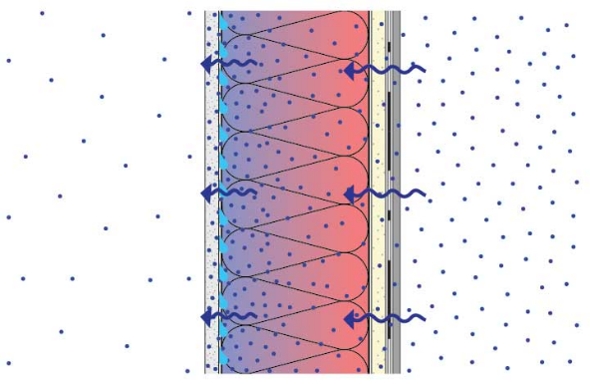
This program introduces architects and design professionals to the principles of hygrothermal analysis and the intent, structure, and application of ASHRAE Standard 160. The presentation explains how heat, air, and moisture interact within building enclosure assemblies and how these interactions influence condensation potential, mold growth, corrosion risk, and long-term material durability.
Participants are guided through the key components of ASHRAE Standard 160, including criteria for selecting analytical tools, defining appropriate input assumptions (material properties, climate data, indoor environmental conditions, and rain exposure), and evaluating performance outcomes for mold growth and corrosion. The program also highlights the limitations of ASHRAE 160, clarifying what conditions are not addressed—such as bulk water intrusion—and when supplemental analyses may be warranted.
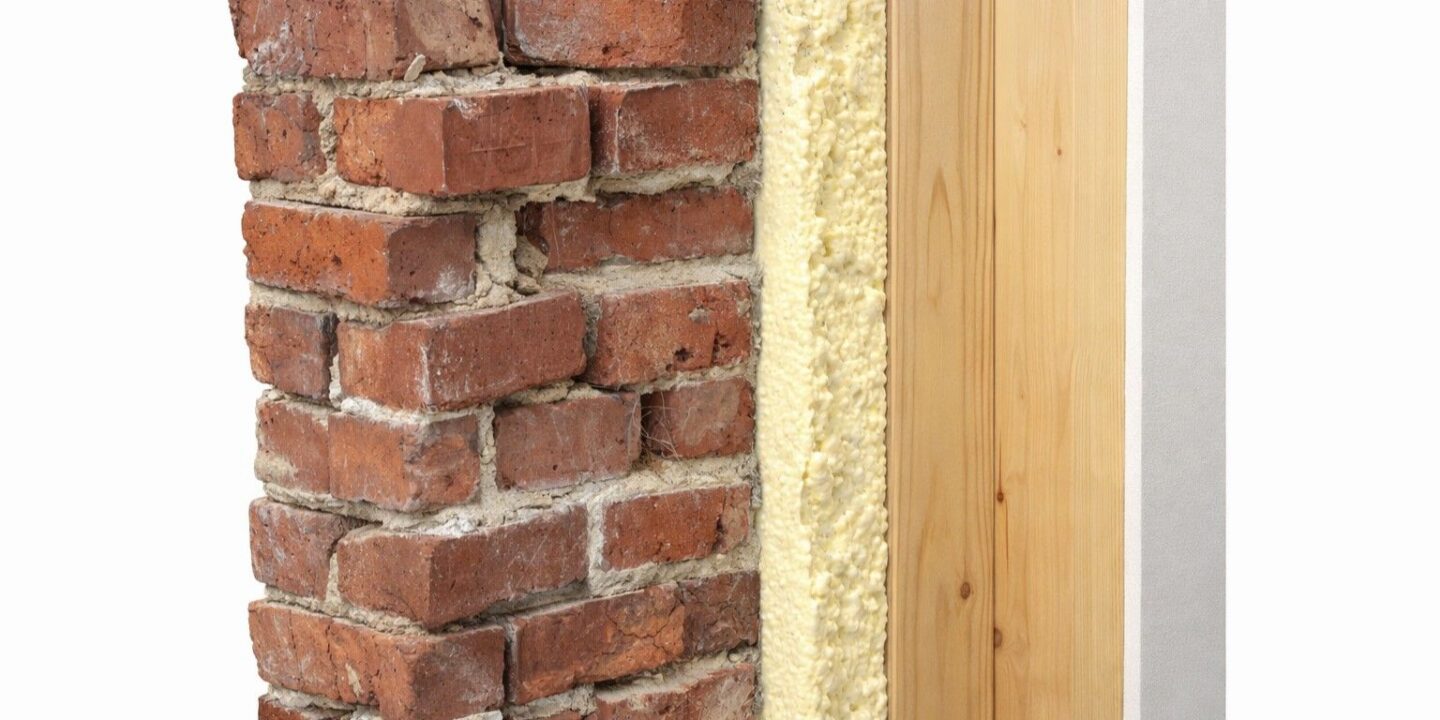
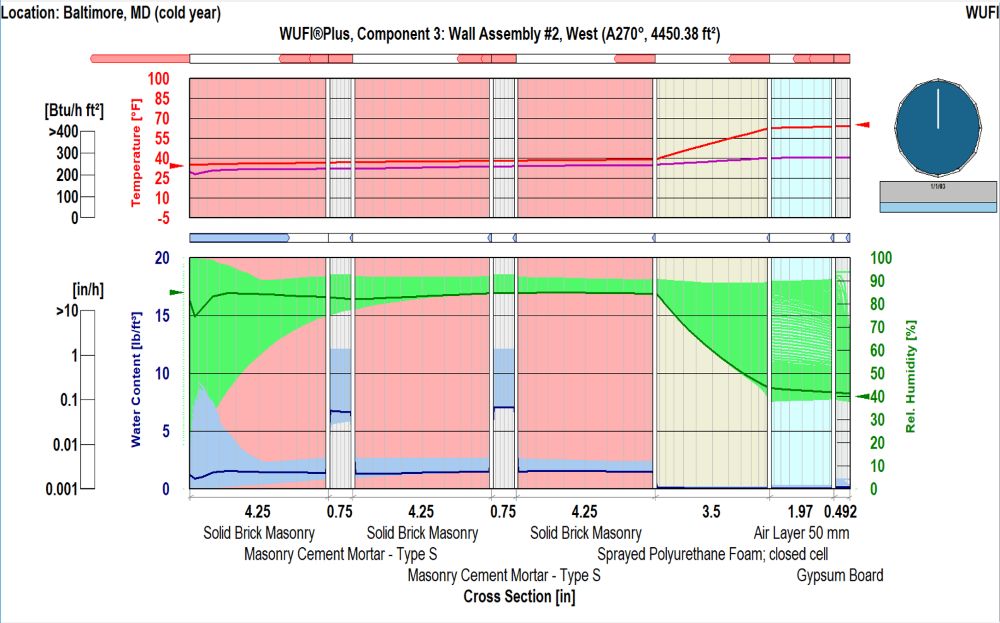
Through a detailed case study involving the retrofit of a multi-wythe masonry building, the program demonstrates how different enclosure configurations and insulation strategies can produce materially different hygrothermal outcomes. Emphasis is placed on informed interpretation of results, coordination with mechanical design and enclosure detailing, and the role of hygrothermal modeling in supporting design decisions, risk mitigation, and Building Enclosure Commissioning (BECx) activities.
Learning Objectives
- Explain the fundamental principles of hygrothermal analysis and describe the purpose and scope of ASHRAE Standard 160 as a performance-based moisture control design framework.
- Identify key input assumptions required by ASHRAE Standard 160—including material moisture content, climate data, indoor environmental conditions, and rain exposure—and explain how these inputs influence analysis results.
- Analyze ASHRAE Standard 160 performance criteria for mold growth and corrosion and interpret pass/fail outcomes in the context of building enclosure design decisions.
- Evaluate the capabilities and limitations of hygrothermal analysis tools and apply their results to support enclosure detailing, renovation strategies, and Building Enclosure Commissioning efforts.