

Engineering for Adaptive Reuse: Evaluating and Strengthening Existing Buildings
AIA Course No. SKA0201 | 1 LU|HSW
Building repositioning—often associated with adaptive reuse and office-to-residential conversion—requires a rigorous understanding of existing structural systems, building codes, and constructability constraints to safely and efficiently extend the service life of aging buildings. This program explores the structural engineering challenges inherent to repositioning existing buildings for new uses, emphasizing due diligence, field verification, and strategic decision-making to minimize unintended impacts to the base building.
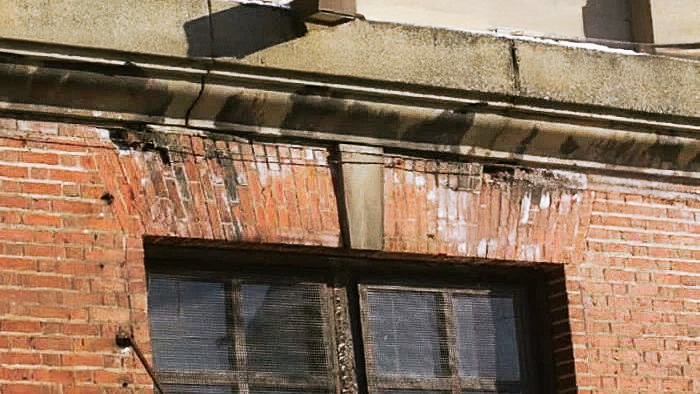
Through a combination of technical discussion and real-world case studies, the program examines how existing gravity and lateral load-resisting systems are evaluated under current code frameworks such as the International Existing Building Code (IEBC), and how targeted structural retrofits can often be implemented without triggering full building redesigns. Participants will review common structural deficiencies encountered in existing buildings—including material degradation, undocumented modifications, and outdated design criteria—and learn how these conditions influence design, permitting, and construction administration.
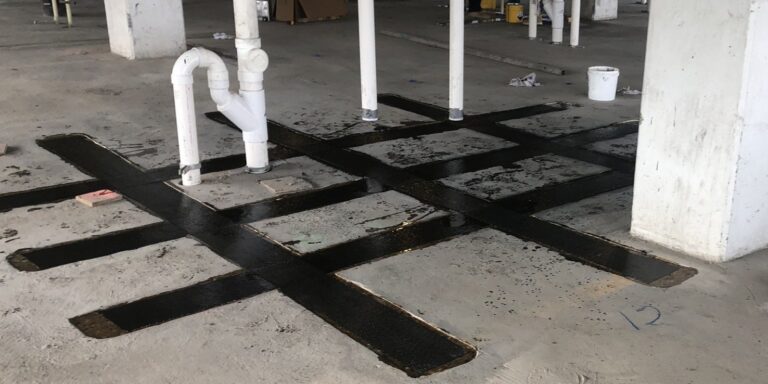
The presentation also addresses common structural retrofit strategies, including slab and column strengthening, lateral system enhancements, foundation modifications, and the creation or infill of vertical openings. Particular emphasis is placed on early investigation, interdisciplinary coordination, and construction administration practices that reduce risk, manage unforeseen conditions, and support safe, code-compliant building reuse. The program is intended for architects and design professionals involved in renovation, adaptive reuse, and repositioning projects who seek to better integrate structural considerations into planning, design, and construction phases.
Learning Objectives
- Explain the role of structural due diligence and field verification—including destructive and non-destructive testing—in identifying existing building constraints and reducing construction-phase risk.
- Describe strategies used to evaluate and preserve existing gravity and lateral load-resisting systems in repositioning projects, including application of IEBC thresholds that limit global structural impacts.
- Identify common structural challenges and retrofit solutions associated with adaptive reuse projects, such as new openings, vertical expansions, load redistribution, and foundation modifications.
- Analyze how early structural coordination and targeted retrofit approaches influence construction administration outcomes, including management of unforeseen conditions, change orders, and life-safety compliance.